
How to gear your 1/10 stock touring car for outdoor tracks
Stock class gearing looks simple on paper and ruins your weekend in practice. Here's the four-step method we use.
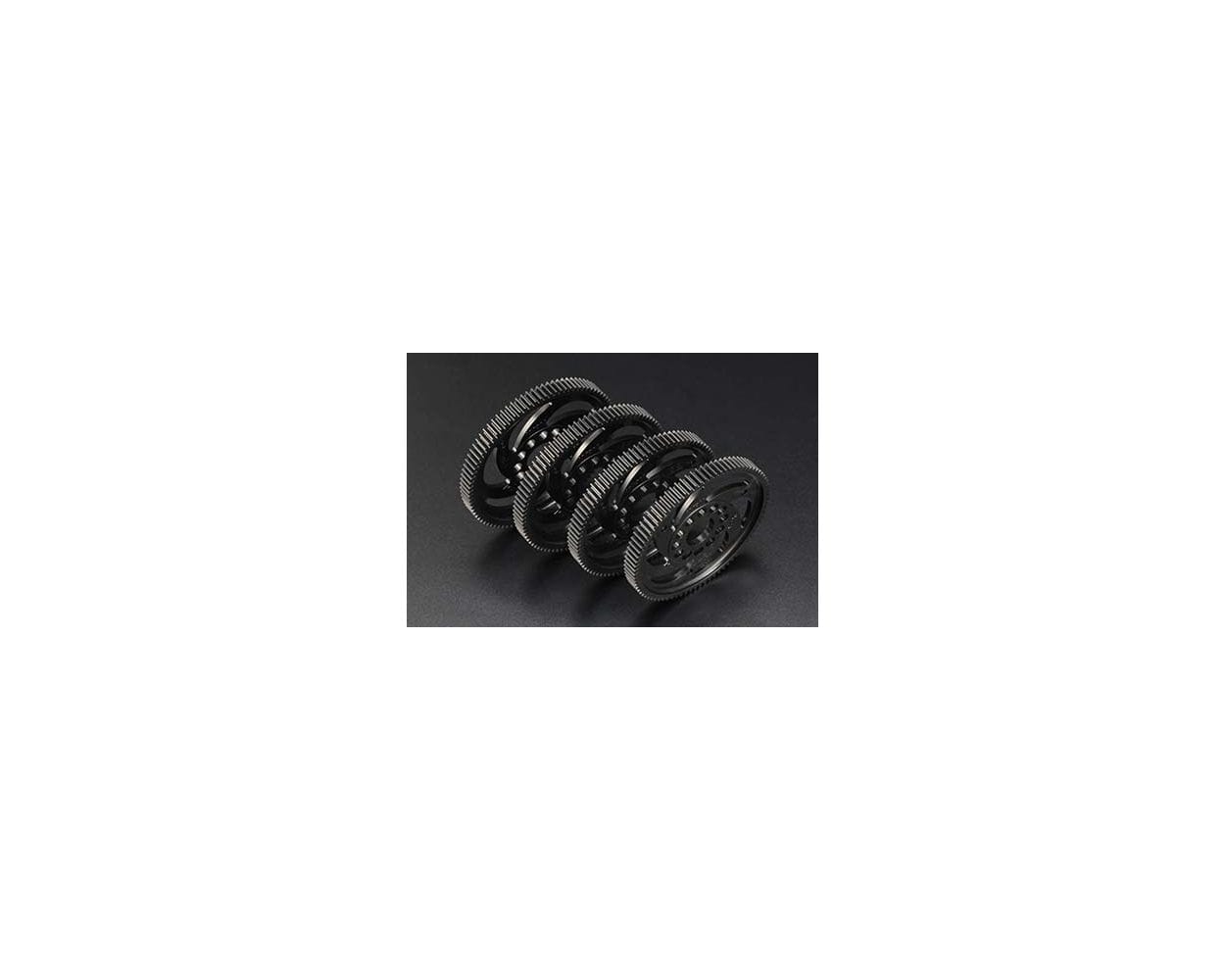
Stock class gearing looks simple on paper and ruins your weekend in practice. Here's the method we use — no math degree required.
- Gear chart or phone app (we use RC Crew)
- Pinion gears: 32T, 34T, 36T, 38T at a minimum
- Digital temperature probe
- A stopwatch and a clear line on the track
- One afternoon of practice time
Start with the recommended pinion
Every motor ships with a gearing recommendation. Start there. Not one tooth over, not one tooth under. Run a five-minute qualifier. Note the lap times and the motor temperature after the run.
If the motor hits 175°F or above, the gearing is too tall. If it's under 140°F, you've got headroom to push.
Change one tooth at a time
Never jump two teeth. Change one, run another five-minute qualifier, record temperature and lap time. The sweet spot is the gear ratio that produces the fastest average lap time at a motor temperature between 150° and 170°.
Match the pinion to track conditions
Longer straights want a taller gear (bigger pinion). Tighter technical tracks want a shorter gear. If you're running a track you've never seen before, start one tooth shorter than your hunch says — it's much easier to gear up as you get comfortable than to nurse an overheating motor for five heats.
Log everything
Every run, write down: air temperature, motor temperature after the run, pinion tooth count, average lap time. After three weekends you'll have a chart for your motor that's more accurate than any manufacturer's recommendation.